Building a
Wellness Retreat
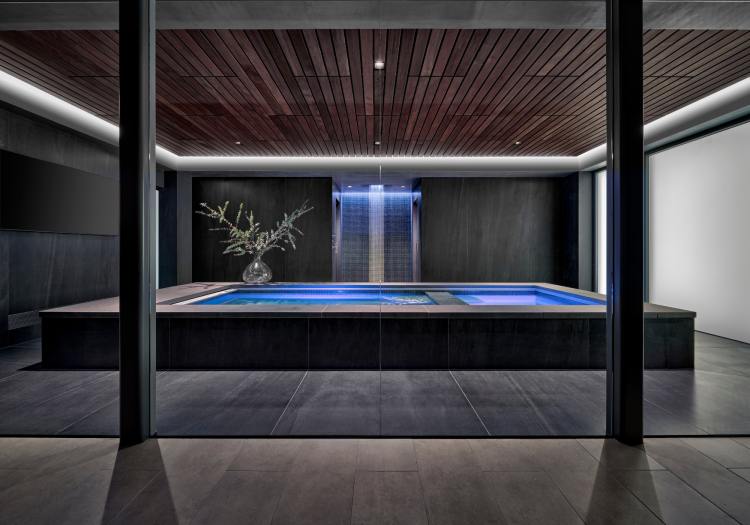
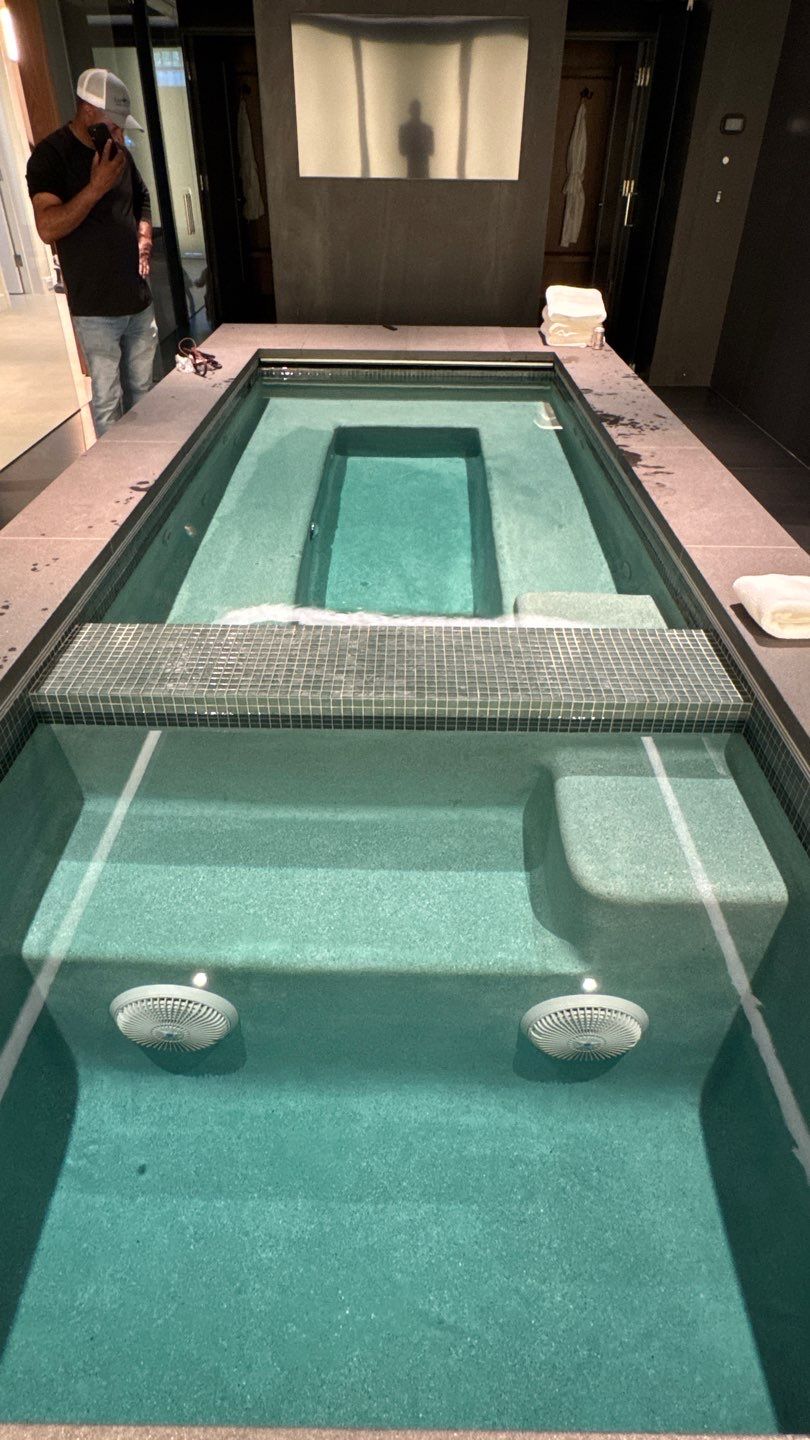
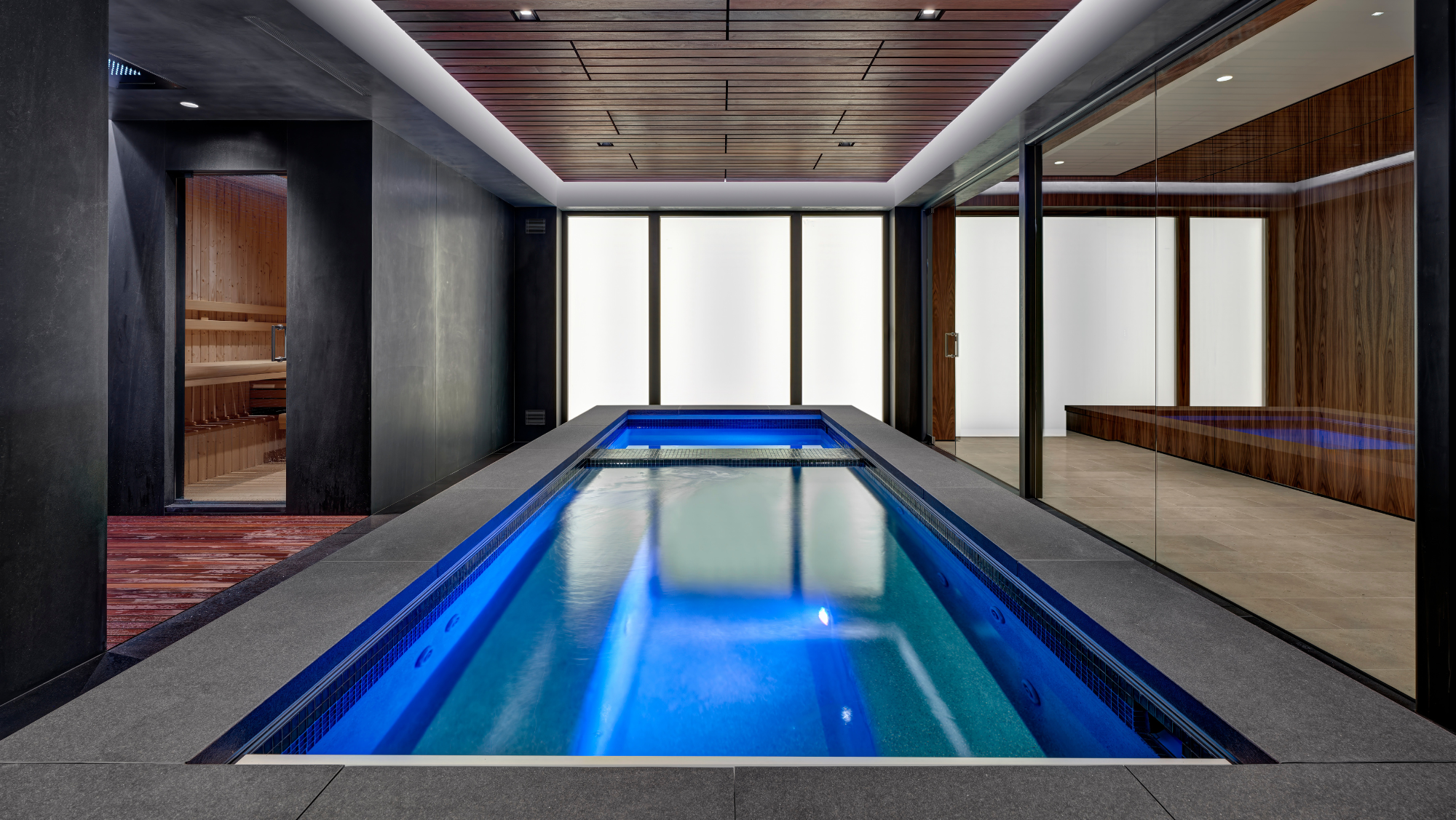
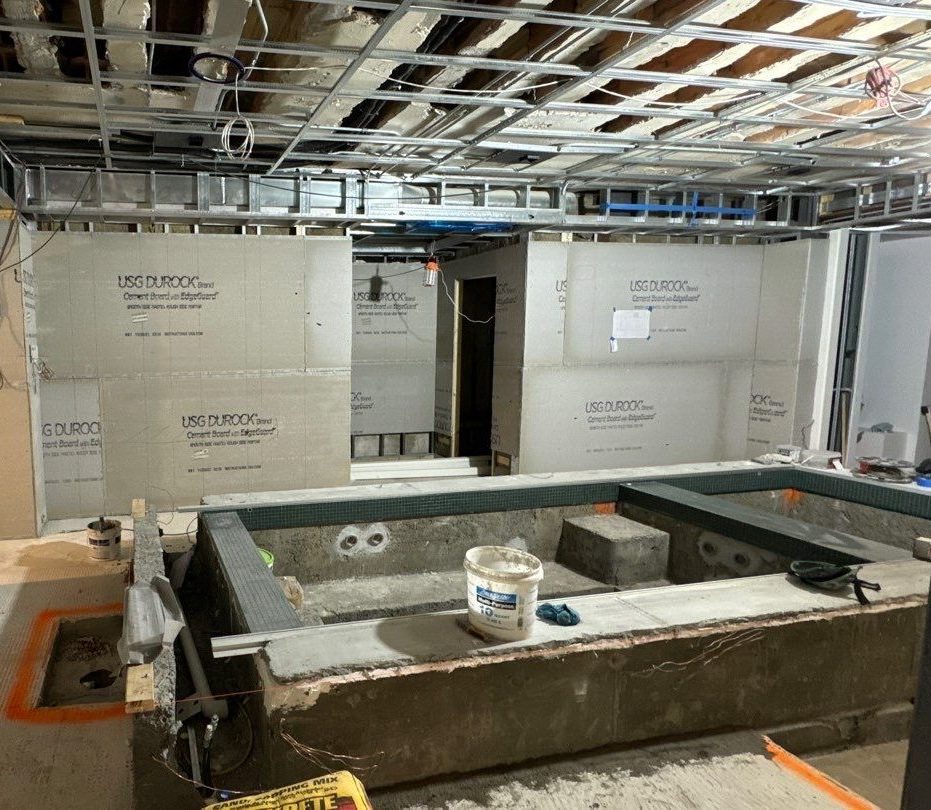
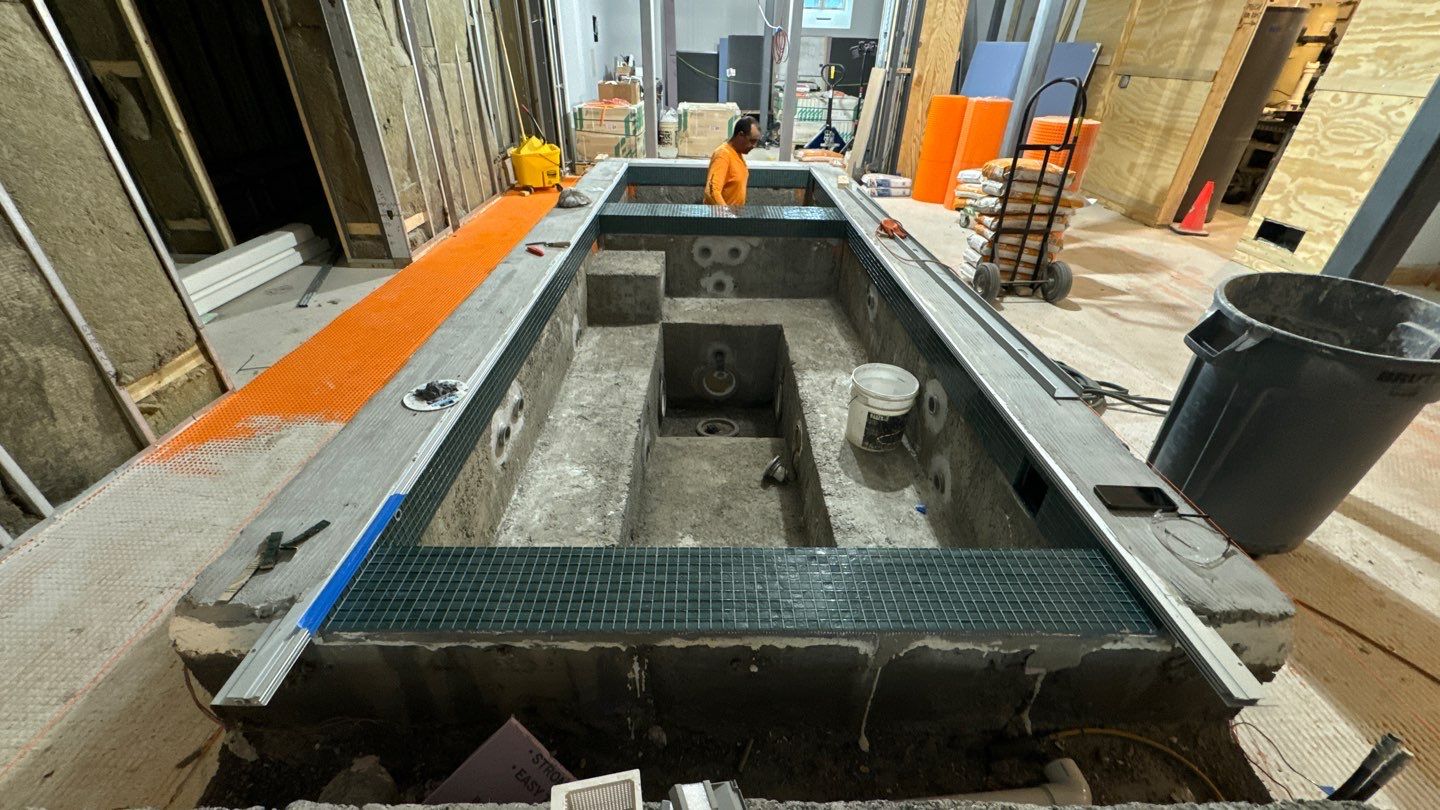
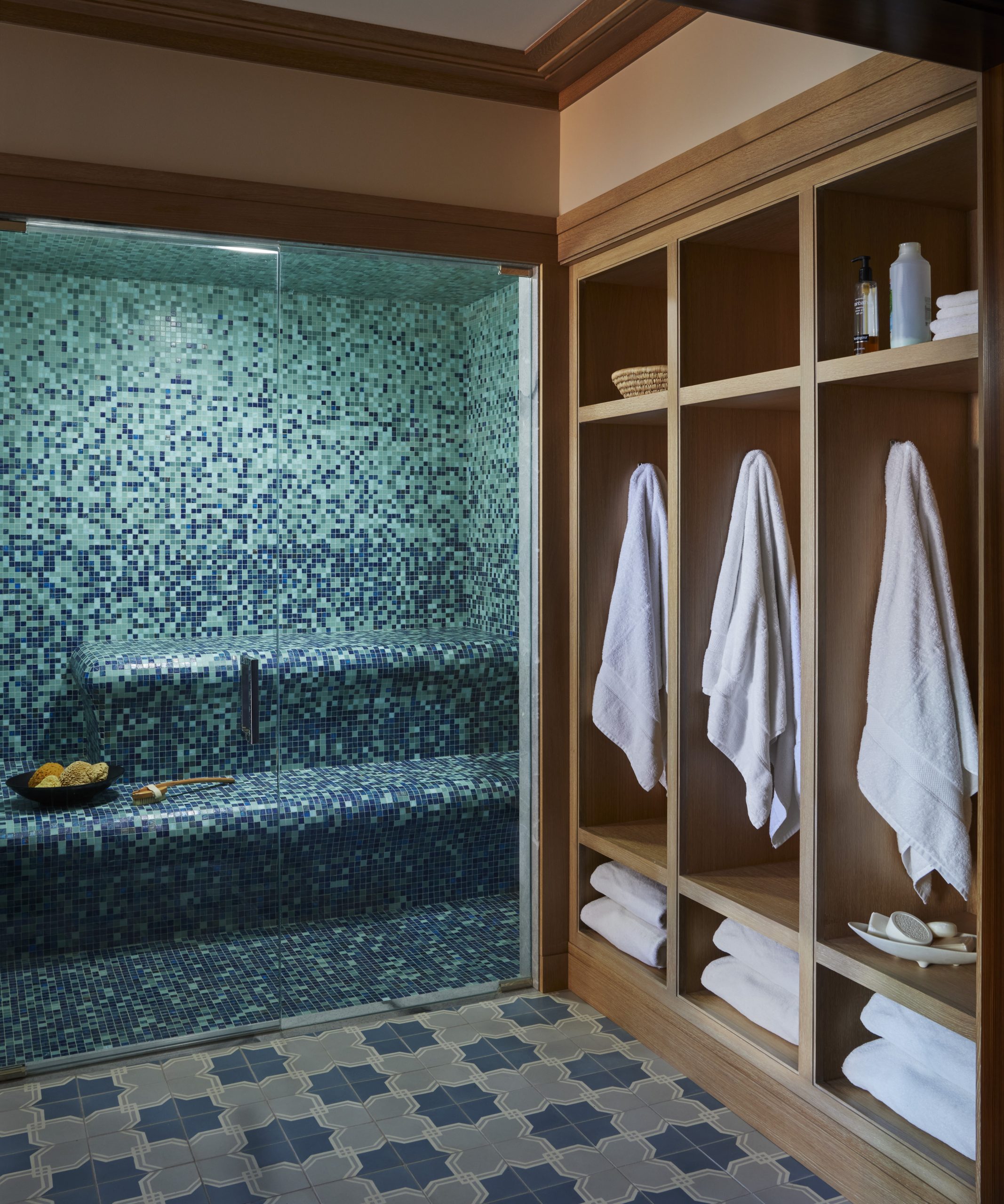
Building a wellness retreat into your home takes thoughtful design, careful planning, and construction expertise. It is important to know what to plan for, and how to build it right. With a focus on contrast therapy (alternating exposure to hot and cold-water environments) a key pairing at the time of construction includes building a sauna, a hot tub, and a cold plunge pool collectively.
The goal is not simply to add amenities to the home, but to create a space to make the benefits of wellness care a part of everyday life for the whole family.
Saunas
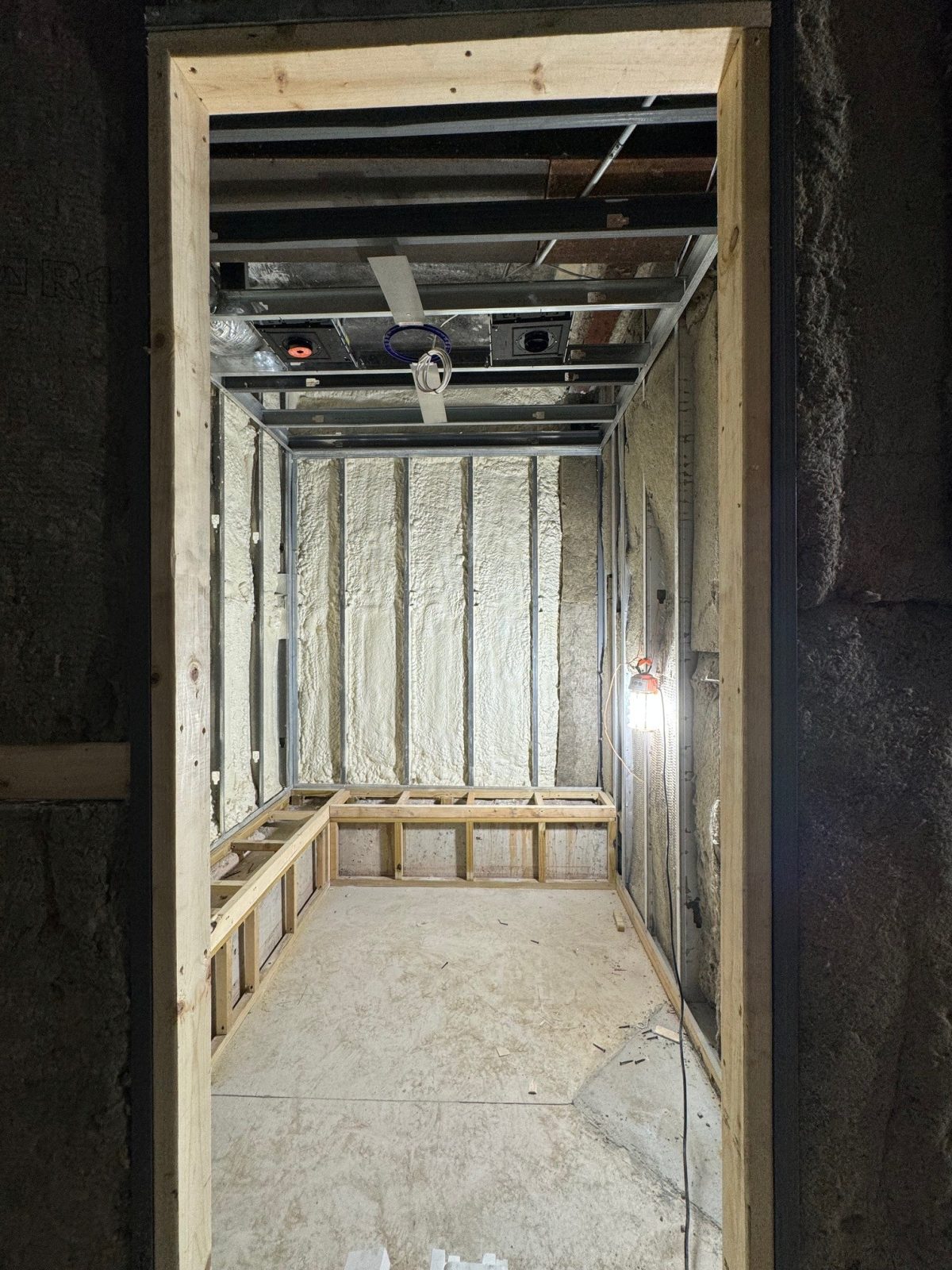
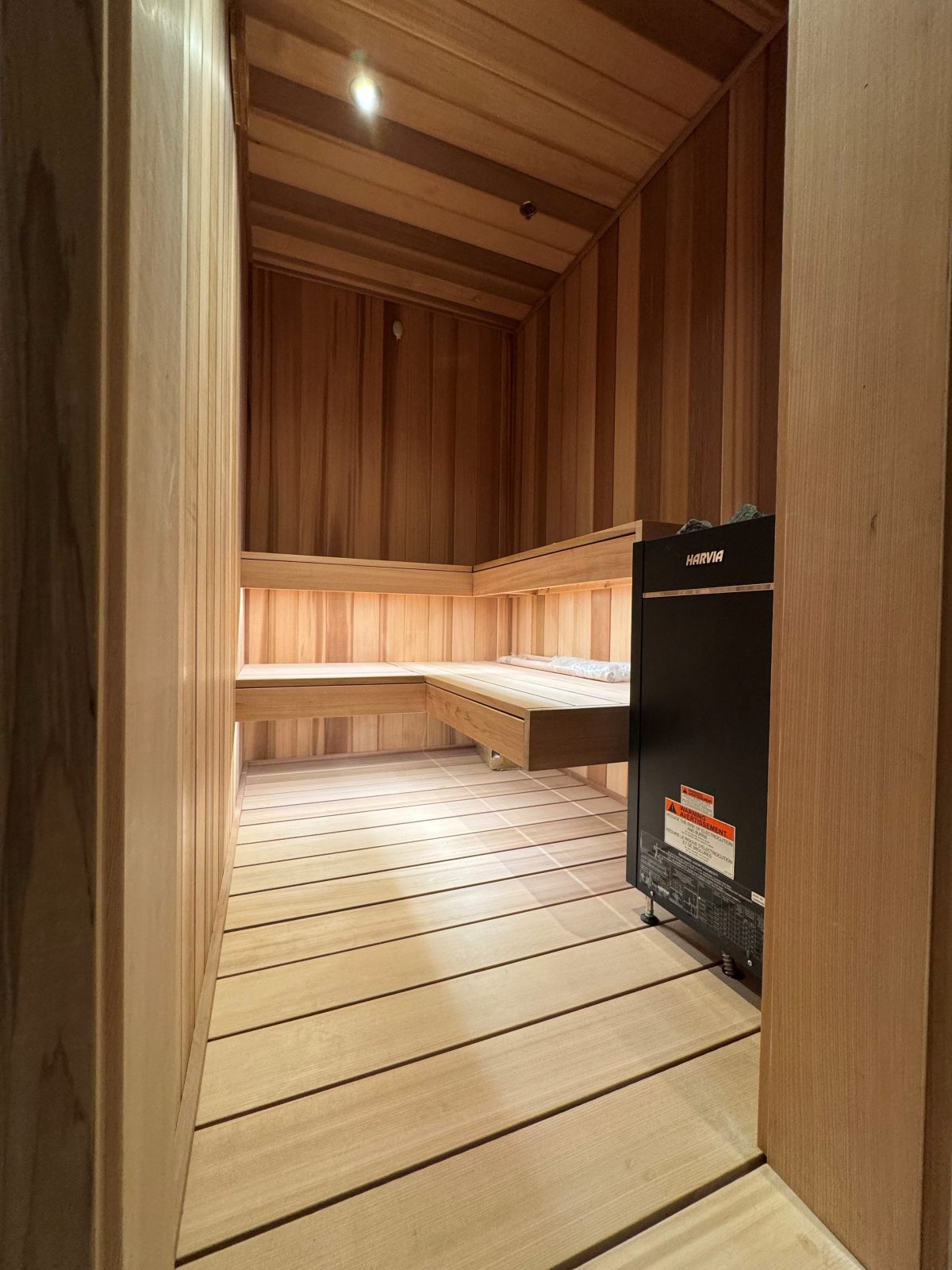
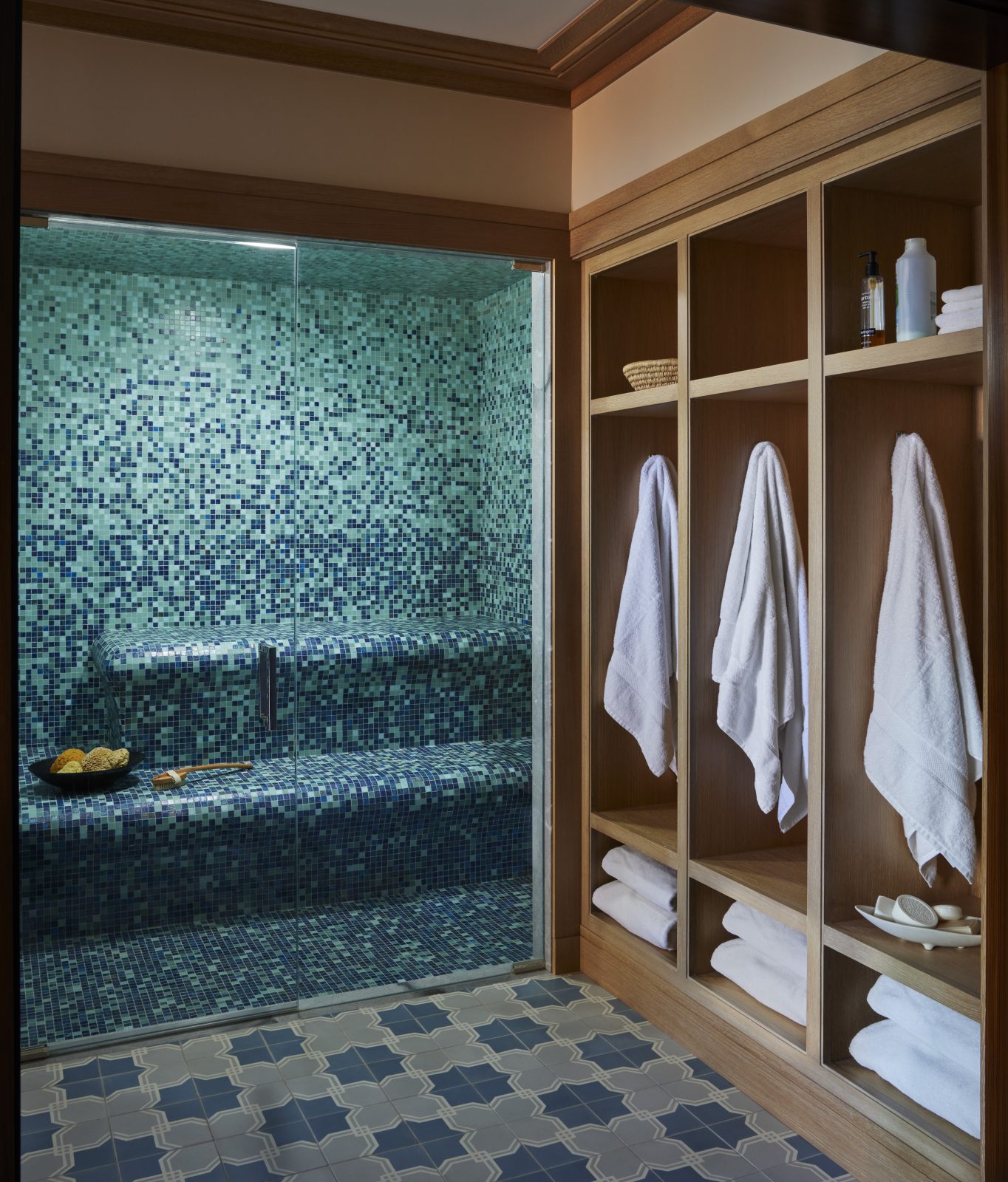
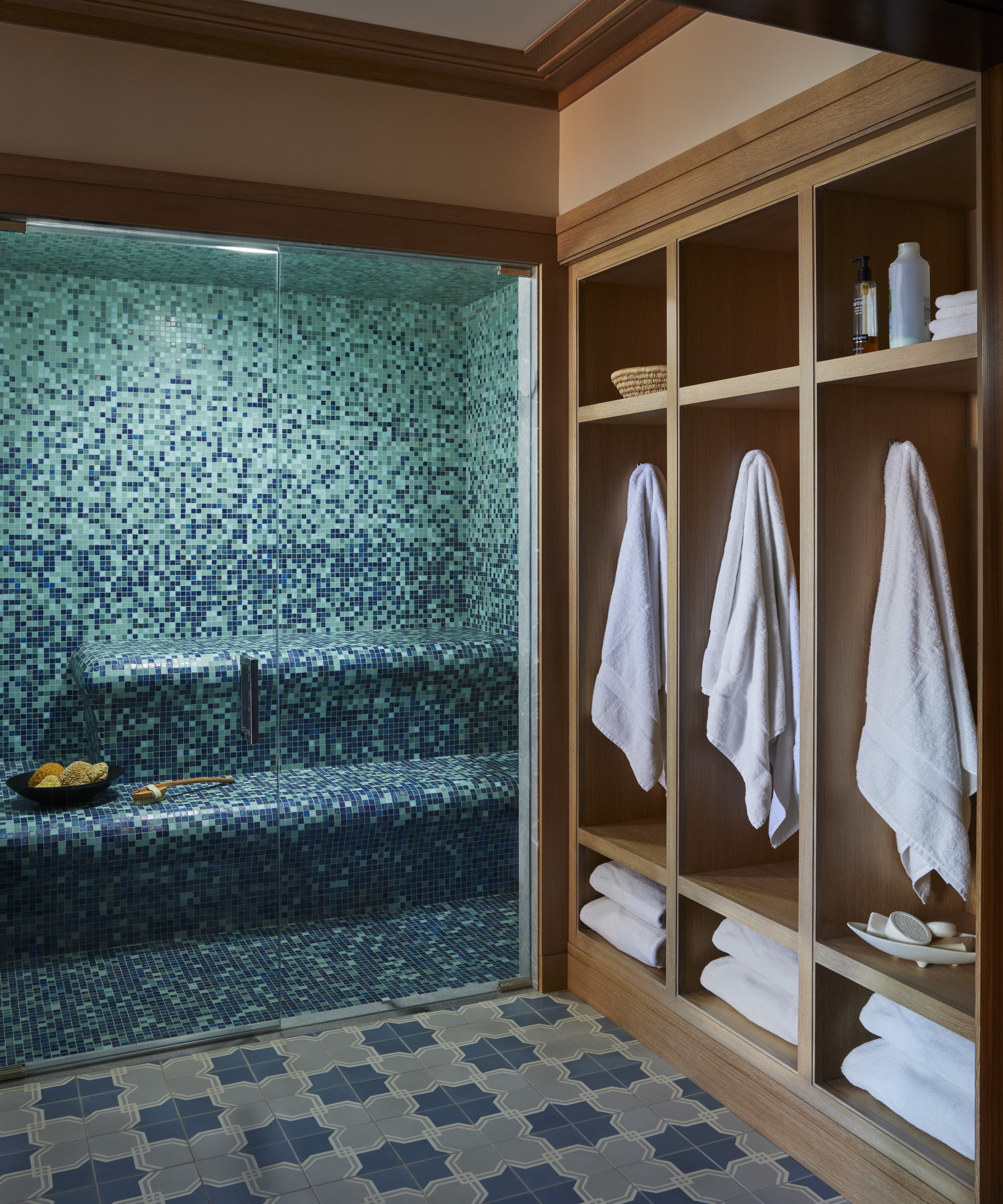
A custom sauna can be aesthetically designed for all types of residential architecture, but it is important that a design team is brought onboard early in the process. Additionally, there are multiple options for stock designs that can be incorporated into both indoor and outdoor settings.
In a landmark 2015 AMA study on saunas, JAMA Internal Medicine published research suggesting a relationship to the health benefits for both wellness and long-term cardiovascular health. Research indicates that sauna use may benefit immune function, blood flow, blood pressure, and physical and mental wellbeing. Archeologists have indicated that stone pit saunas have been in use as far back as 10,000 years ago.
Saunas have been a part of Finnish culture for centuries as they are considered an essential part of a daily health routine and not a luxury item. So fundamental to both the physical and mental wellbeing in the Finnish culture that in 2020 UNESCO recognized saunas as an intangible cultural heritage of the country.
Hot Tubs
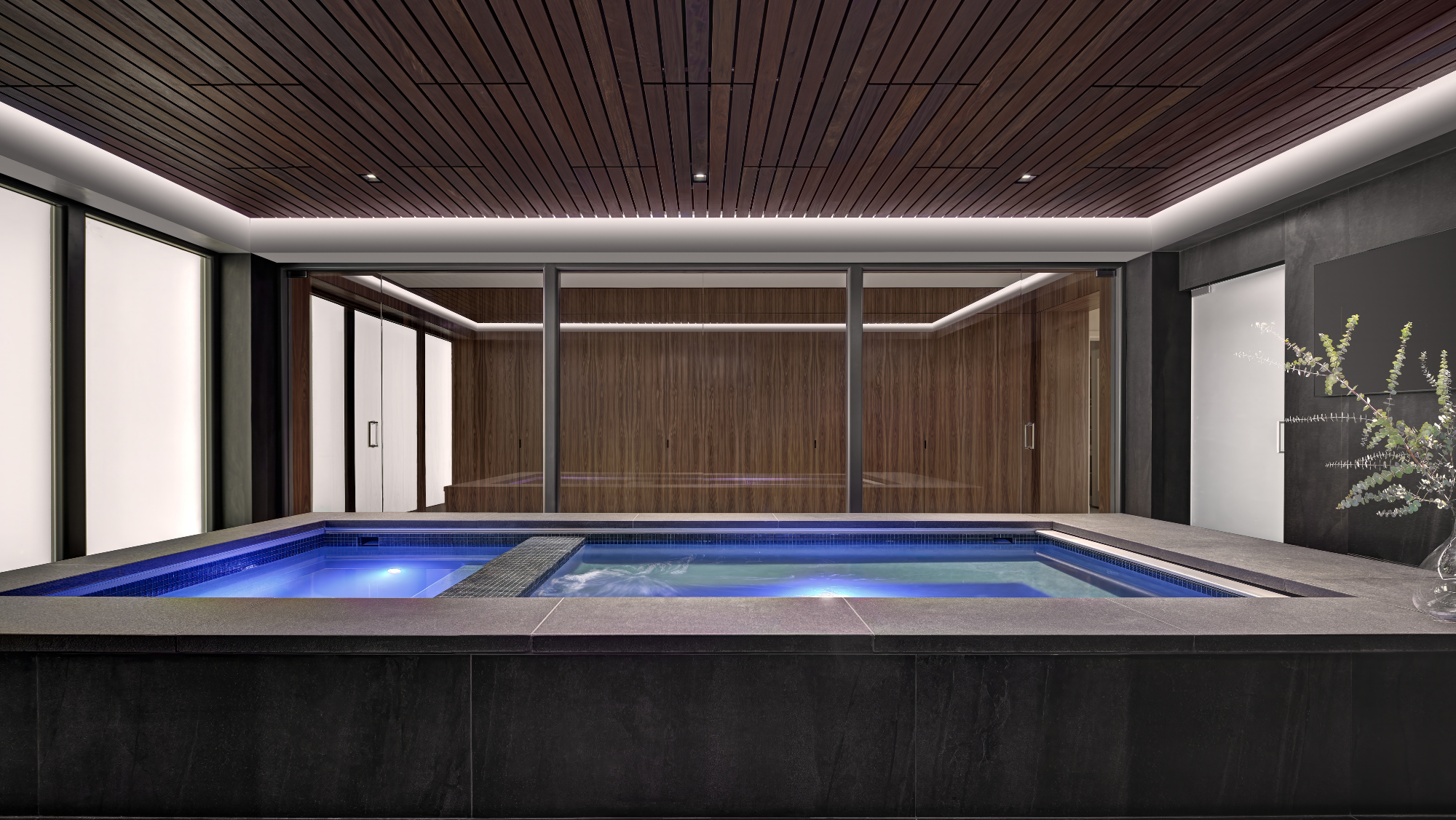
As far back as ancient Rome, thermal hot springs have been used for their therapeutic properties. Long known for a reputation as a source of relaxation, hot water therapy may provide additional health benefits. The 2015 JAMA research indicated that as part of a broader wellness routine hot tubs may offer benefits in helping calm the central nervous system and hold promise as an antidepressant treatment.
An immersive hot water soak is also noted to help reduce the tension in muscular tissue as increasing blood flow can aid in muscle recovery.
The cardiovascular effects of hot-water immersion are another area of research. Studies indicate that soaking in hot water may help to widen blood vessels, increase blood flow, and lower blood pressure. Lastly, a hot water soak may also aid in better nighttime sleep patterns. As the body heats up it furthers a state of relaxation, and once out of the water, the body cools itself down and triggers an internal signal that readies the body for rest.
Cold Plunge
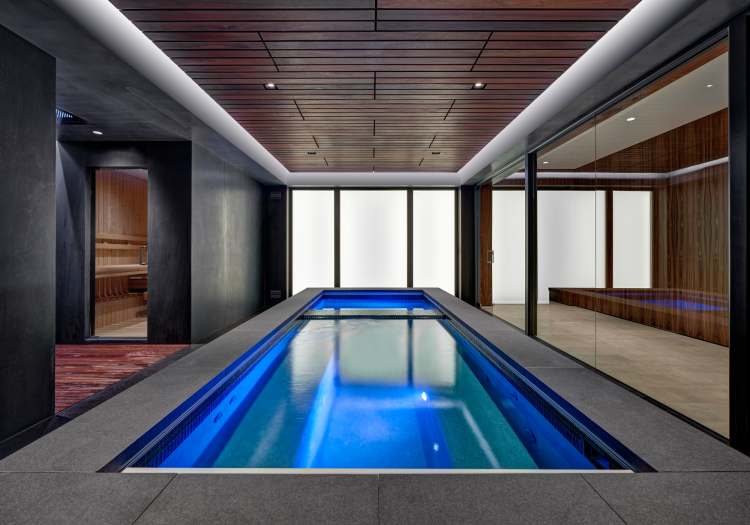
Cold plunge pools are having a moment right now as they are frequently requested in many home spas. The National Institutes of Health have published research studies examining the possible health benefits, both immediate and long-term, of exposure to cold plunge pools as it pertains to exercise recovery. A cold plunge is the act of submerging your body in cold water (50° f and less) for a short period of time.
Research suggests possible benefits including helping the body’s ability to reduce inflammation by constricting blood vessels, and reducing blood flow, which in turn helps reduce pain, swelling and muscle soreness.
Cold plunge is also associated in helping to build up mental resilience and discipline, as a prolonged exposure to cold temperatures allows the mind to tolerate discomfort, improving the ability to deal with stressful situations. Additionally, studies indicate it may support immune system function and increase the ability of the body to burn stored fat. Thermogenesis research, the process to maintain a steady core body temperature, indicates that exposure to cold temperatures may boost metabolism.
Once cold, the body will work harder to regulate and increase the core body temperature and in doing so it will burn calories from stored energy reserves.
Construction Plan
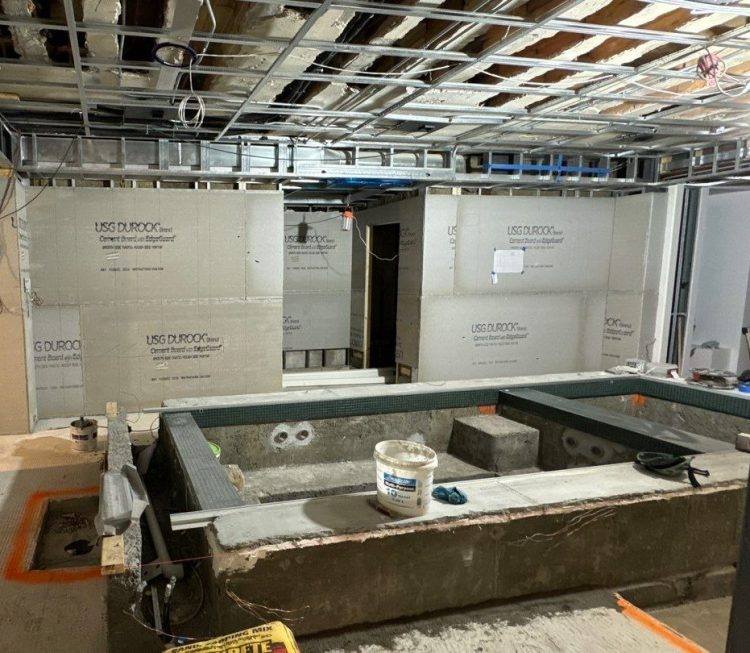
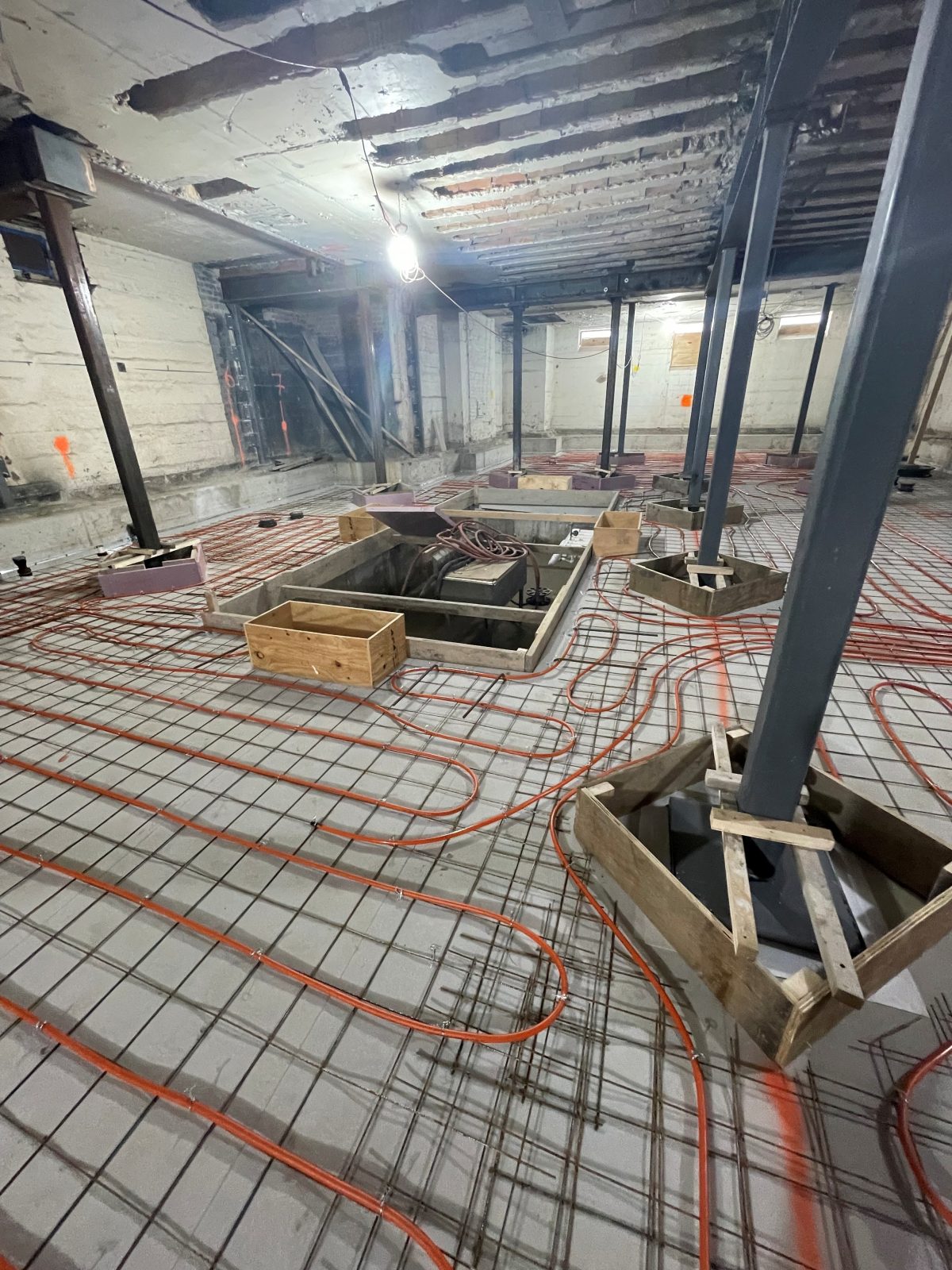
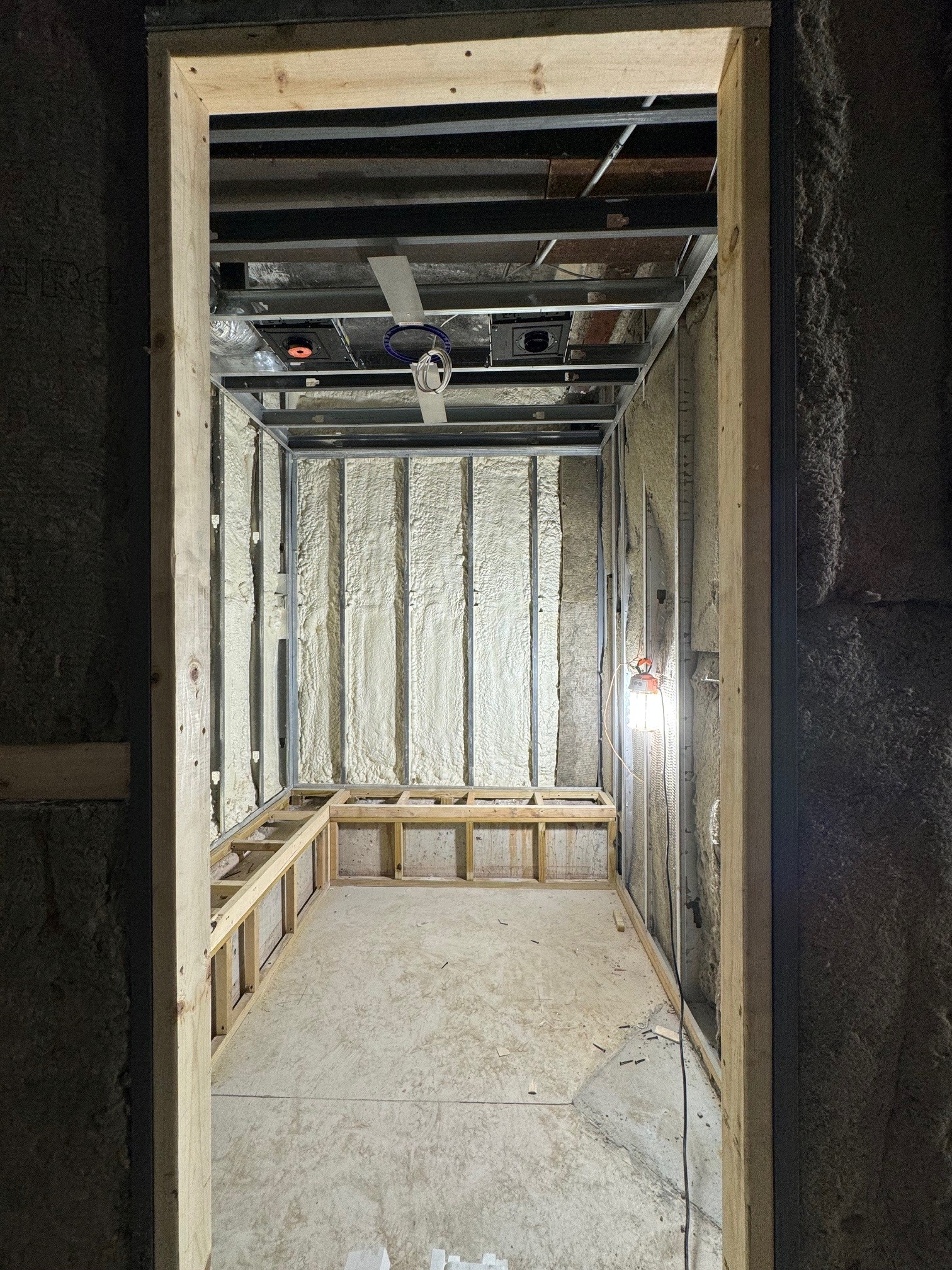
Building onsite spa retreats can bring wellness benefits and aid in helping families establish long-term health routines. In this age of constant screen time and media exposure, it can offer an oasis from endless scrolling and the noise of the outside world. At its core, building a residential wellness retreat requires strategic planning, thoughtful designs, and construction expertise. Reach out to GGC to start the planning process.
With nearly four decades of project management experience, we have the skillset necessary to build a uniquely custom residential wellness retreat.